




“Behind every strong brand identity, there is always a clear answer as to why the brand exists and to whom it offers real value.”
Member of the Progressive Branding team
Progressive’s branding team designs brand strategy, brand identity, packaging and visual systems. We build brand foundations that provide direction for communication, give character to the visual identity and serve as a framework for future campaigns. For us, good branding is not just about a pretty logo or eye-catching packaging: it’s about thinking together about what makes a brand understandable, distinctive, likeable and practical in everyday business situations.
Brand strategy, brand identity design, packaging design and brand system all in one, so that the creative identity not only looks good but also functions consistently.
“Behind every strong brand identity, there is always a clear answer as to why the brand exists and to whom it offers real value.”
Member of the Progressive Branding team
“A brand identity is strong when it is not only recognisable but also usable.”
Member of the Progressive Branding team
“Packaging is at once a brand experience, a source of information and a decision-making aid.”
Member of the Progressive Branding team
A debate on taste without a strategic basis: when branding decisions are based on personal preferences, and it is not clear what business or communication problem they are intended to address.
A system that looks good but is difficult to use: when the brand identity is striking, but difficult to apply in day-to-day campaigns, on social media, on packaging or in sales materials.
Packaging without thinking in terms of shelves: when the design does not take sufficient account of the product category, the purchasing context, the information hierarchy or the manufacturing realities.
We’re starting from a strategic basis: We make visual decisions based on brand promise, target audience, category, positioning and business objectives. This ensures that the brand identity is underpinned by a shared vision and a clear direction.
Human insight and creative flair: A brand is not just a visual identity, but a feeling, a tone, a relationship and a promise. The aim is for the brand’s character to be recognisable and memorable, and for customers to be able to connect with it on a personal level.
We design practical branding systems: We develop the brand identity in such a way that it works effectively across campaigns, social media, the website, retail, presentations and internal materials.
We’ll teach Brain the brand: We import the finalised brand guidelines, tone of voice, visual logic and brand fundamentals into Progressive Brain. This means that future campaigns, content, adaptations and creative concepts will no longer start from scratch, but will be built on the brand’s own guidelines and character.
We design the packaging with decision-making in mind: We take into account shelf visibility, category codes, product benefits, the information hierarchy and manufacturing requirements.
A transparent creative process: The Client Portal and the review platform help ensure that versions, feedback and approvals can be tracked. This means that creative decisions are made within a shared workflow, rather than being scattered across email threads.
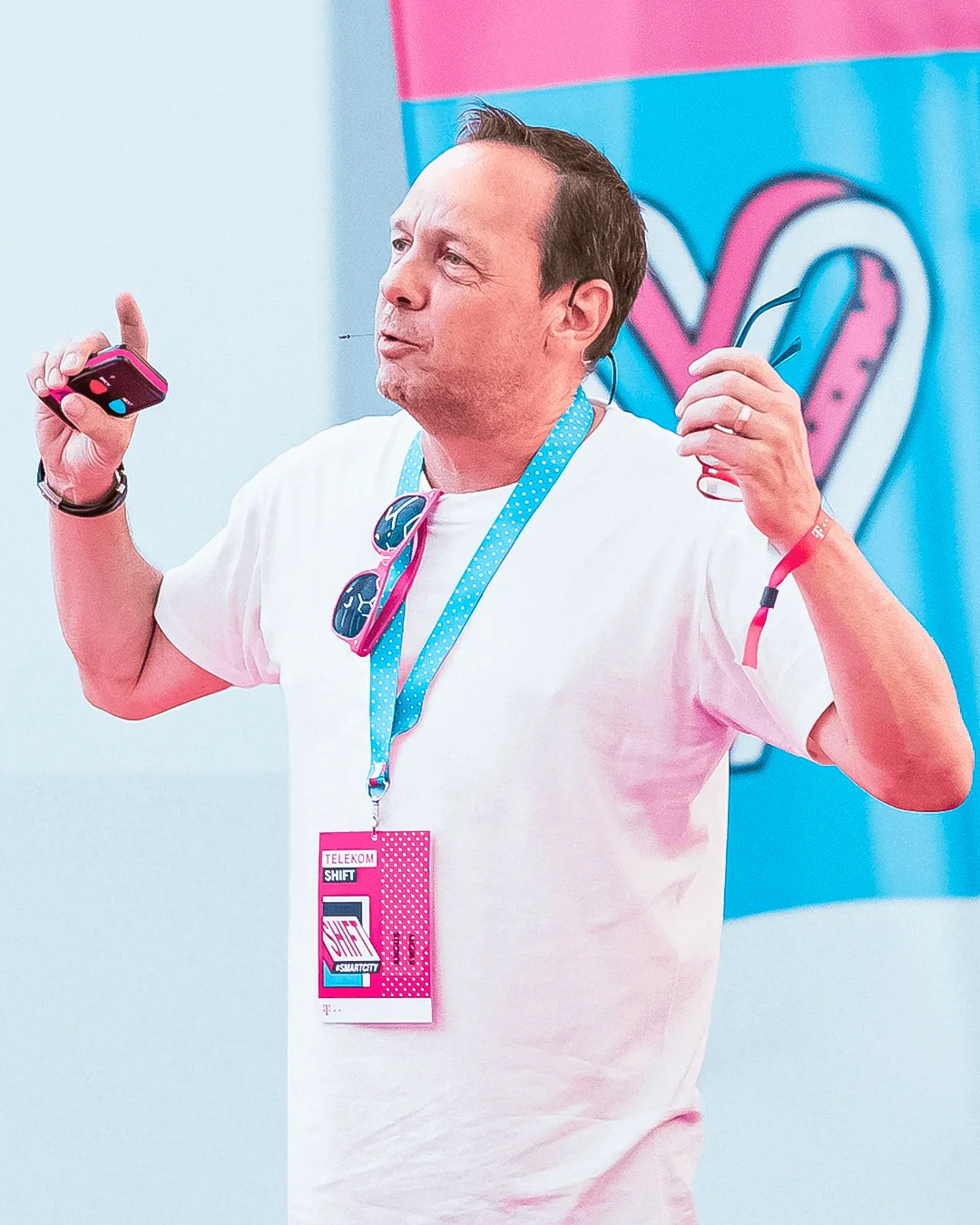
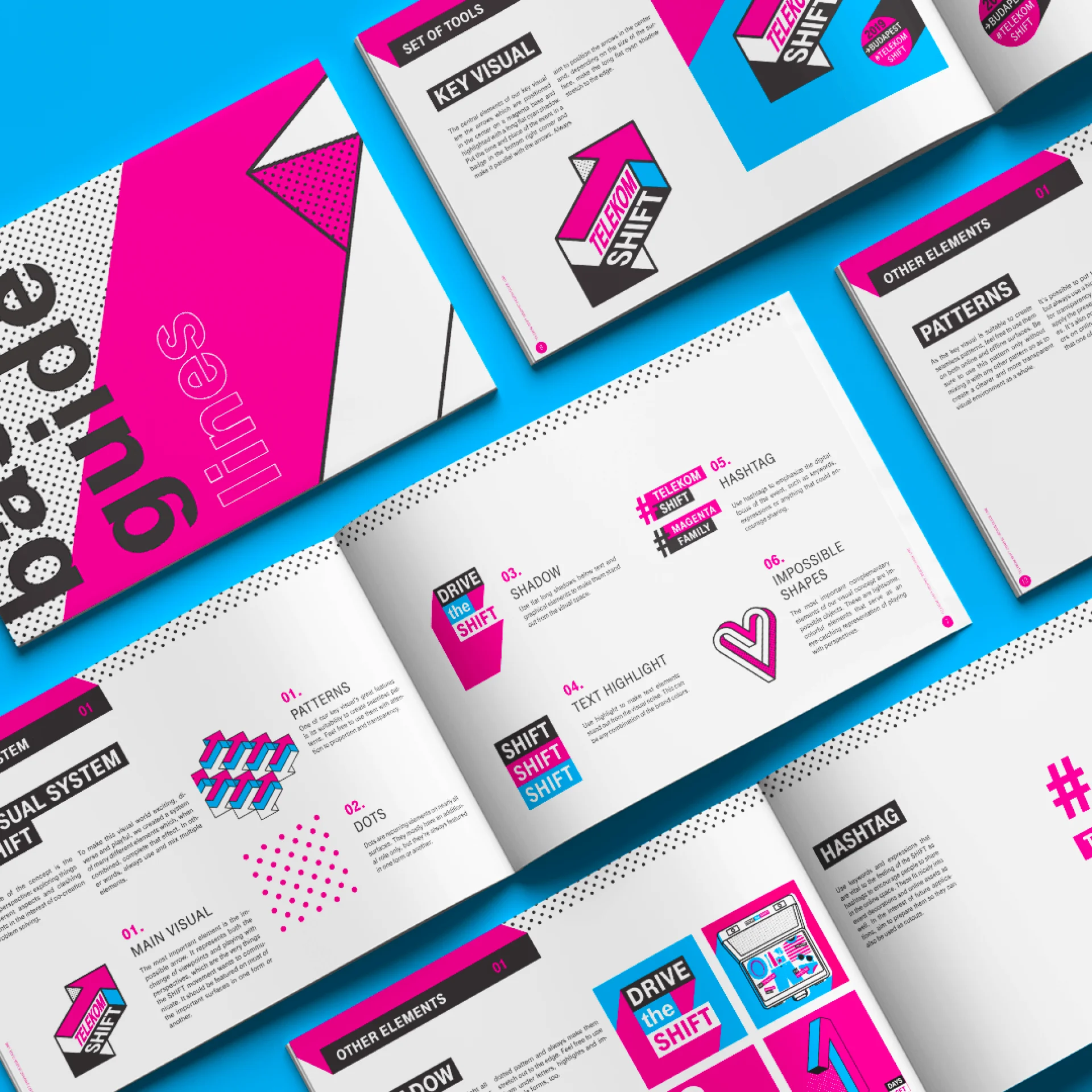
We worked on the creative concept, brand identity, stand design and full-scale implementation of Deutsche Telekom’s international staff event, Telekom...
Telekom Shift
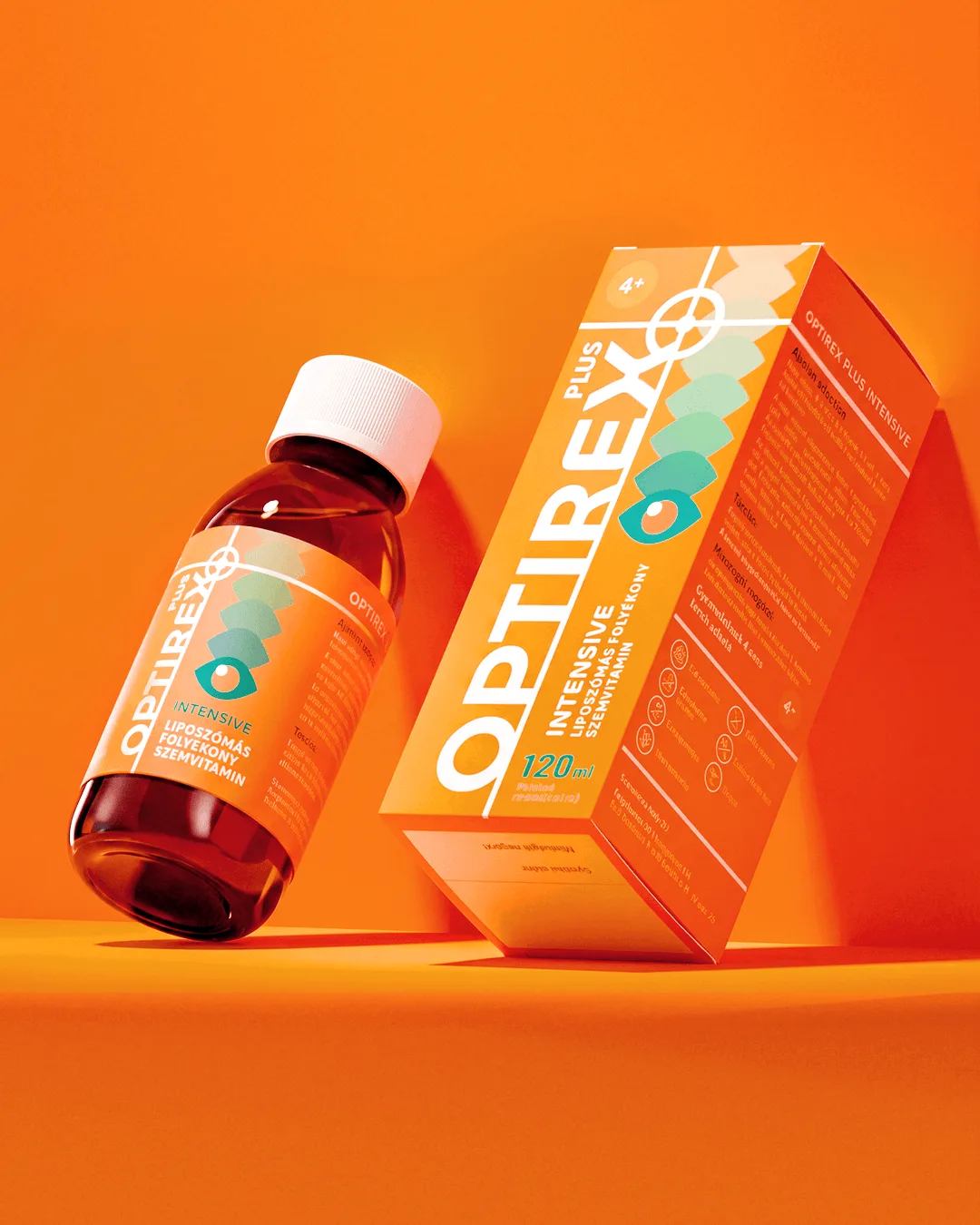
We worked on revamping the packaging and visual identity of the Optirex Plus eye vitamin range for Penta Pharma. The aim was to create a modern, insta...
Optirex packaging design
We designed the packaging for Scuba Kombucha, a premium kombucha range, for natu.farm. The brand launched with three flavours – sour cherry and cascar...
Scuba packaging designBy understanding the brand’s position and purpose. We examine the market in which it operates, its target audience, what it promises, what sets it apart, the business objectives it needs to support, and the platforms on which it will need to operate. This forms the basis for the strategic and visual direction.
Yes. We create logos, colour and typography schemes, visual identities, graphic elements, visual guidelines and style guides. The aim is for the brand identity not only to be visually striking, but also to be easy to use and consistent in day-to-day communication.
We can also support the creative concept, visual identity, information hierarchy and pre-production of the packaging. We ensure that the product is recognisable and easy to understand, whether on the shelf, online or in a campaign context.
We do this by planning not only the initial launch, but also how the system will function. We consider how the brand will be presented online, on social media, in adverts, presentations, packaging, point-of-sale materials and internal communications. We also upload the completed brand guidelines to Progressive Brain, so that future campaigns, content and adaptations can more easily be built consistently in line with the brand’s own rules.
Yes. When it comes to rebranding or a brand refresh, we preserve what is valuable and recognisable about the brand, whilst redefining what is no longer accurate, up-to-date or relevant. The aim is for the brand to move forward without losing its own character.
A good brand system makes subsequent campaigns easier. The tone is clearer, the visual identity is more consistent, adaptation is quicker, and every campaign can build on the same brand identity in different contexts.
Yes, as a creative tool. We can use it for inspiration, for rapid prototyping of visual directions, and for exploring moods, compositions or variations, but strategic decisions, taste, brand character and the final quality always remain under human control.
We play a key role in the most important decisions: clarifying the brand’s business objectives, character, priorities and approval criteria. We lead the strategic and creative process, whilst the Client Portal and review platform help to ensure that versions, feedback and approvals are transparent.
Success depends on the nature of the task at hand. We can look at brand recognition, usability, how it performs in campaigns, shelf visibility, internal acceptance, customer or consumer feedback, and the extent to which the new system aids day-to-day communication decisions.